Condiments: Power Up Your Menu Architecture to Improve Menu Flow While Capturing and Protecting Revenue
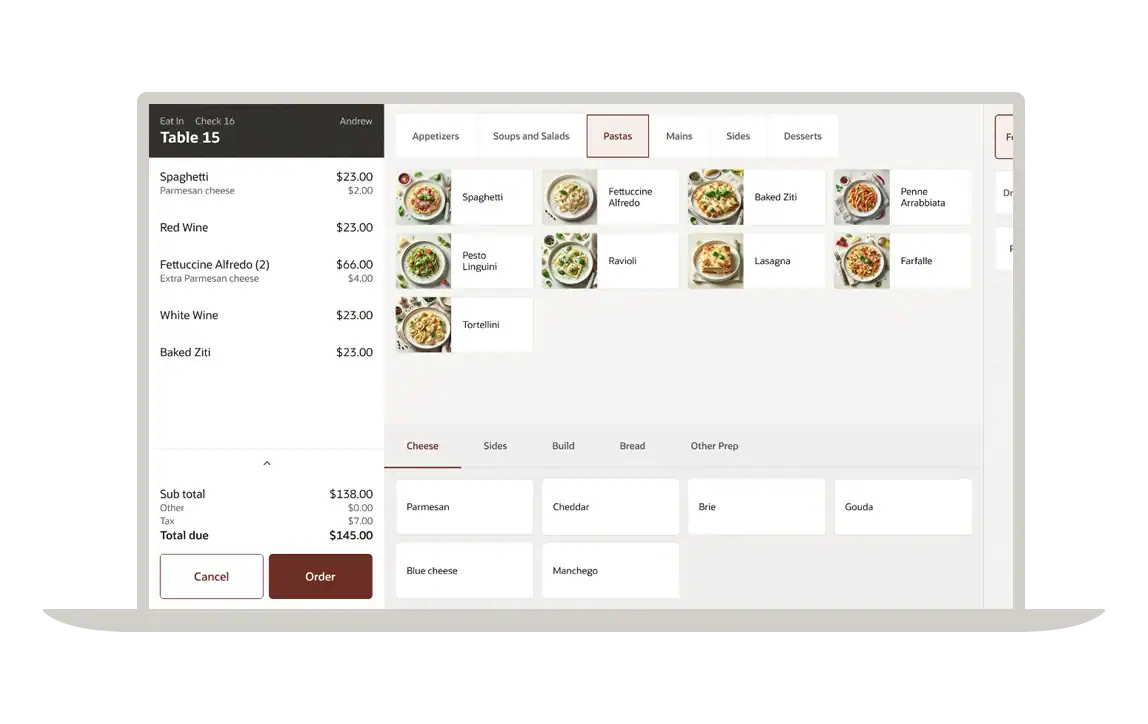
Condiments and modifiers are more than optional extras on a menu. When properly configured in Oracle Simphony Cloud POS, they can improve the ordering process, support kitchen operations, control costs and help businesses capture revenue opportunities that might otherwise go unnoticed.
From selecting cooking temperatures to adding, removing or charging for accompaniments, a well-structured condiment setup helps connect the customer’s order with the kitchen’s preparation process.
Understanding Condiments and Modifiers
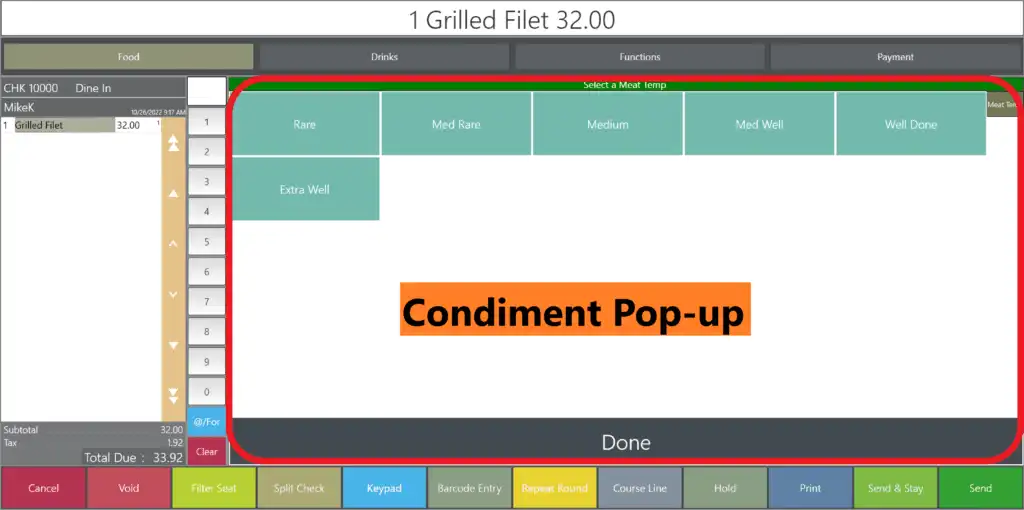
In a restaurant POS system, condiments and modifiers allow customers or service staff to customise an order according to specific preferences. Depending on how the menu is configured, these selections can specify cooking temperatures, add or remove ingredients, select accompaniments or apply additional charges and discounts.
For example, a guest may order a steak well done, request steamed rice as an accompaniment and choose a strawberry dessert. Each selection provides information that helps the restaurant deliver the intended meal.
The opportunity: A properly designed menu architecture makes these choices clear at the point of ordering, communicates them to the kitchen and supports more accurate pricing and reporting.
Improve Menu Flow from Ordering to Serving
Consider a guest ordering a well-done steak with steamed rice and a strawberry dessert. If the selections are not configured or communicated clearly, kitchen staff may have to interpret incomplete instructions, ask for clarification or prepare items in the wrong sequence.
The guest’s order
- Steak cooked well done
- Steamed rice as the selected accompaniment
- Strawberry dessert
What the kitchen needs
Clear order details, understandable preparation instructions and a logical presentation of items on the kitchen chit or display. Where supported by the configuration, sorting and preparation instructions can help staff understand what to prepare and when to serve it.
When menu options and kitchen instructions are properly structured, teams can reduce avoidable confusion, improve coordination and help ensure that the meal reaches the guest as intended.
How Simphony Condiment Configuration Supports Your Operations
1. Improve Kitchen Efficiency and Order Accuracy
Clearly configured modifiers help communicate cooking temperatures, ingredient changes and special requests. Depending on the setup, kitchen printing can use logical sorting and prefixes such as Add, No, Extra or Sub to make instructions easier to interpret.
2. Support Preparation and Serving Flow
Structured order details help kitchen staff understand the components of a meal. Where the relevant functionality is available and configured, preparation timing and printing rules can further support coordination between dishes and courses.
3. Protect Revenue and Control Costs
Menu configuration can distinguish between included options and chargeable extras. Where supported, pricing rules can also accommodate discounts or credits for specified substitutions and removed ingredients. This helps businesses apply their intended pricing consistently rather than relying on manual adjustments.
4. Guide Staff Through Required Selections
Required modifiers and default condiment sets can help staff capture the information needed to complete an order. With appropriately configured menu screens, service teams can guide guests through choices such as cooking temperature, side dishes and additional items.
5. Support Menu Analysis and Ingredient Visibility
Well-organised condiment groups can improve the usefulness of sales reporting and help managers review modifier performance, ingredient-related choices and purchasing trends. The level of ingredient usage analysis available depends on the reporting setup and integrations in use.
Capture Revenue Opportunities Hidden in Your Menu
Menu architecture also affects how effectively a restaurant presents and prices its offerings. When options are structured carefully, businesses can make paid additions easier to select, apply prices consistently and reduce missed charges during busy service periods.
For example, an extra ingredient or premium accompaniment can be configured as a chargeable selection where appropriate. Similarly, substitutions and ingredient removals can follow the restaurant’s pricing policy when the required functionality is supported and configured.
These details matter because small inconsistencies across many orders can affect both revenue and food cost. Reviewing condiment configuration is therefore part of maintaining an accurate, commercially effective menu.
Connect Menu Architecture with Digital Ordering
A consistent menu structure can also support ordering across different service channels. Depending on the solution and integrations deployed, configured menu options may be used across restaurant POS terminals, kiosks, online ordering platforms and mobile or tableside ordering experiences.
Oracle Simphony Transaction Services Gen2 APIs can support integrations with external applications, subject to the relevant technical requirements, integration scope and configuration. Menu and condiment behaviour should be validated for each connected channel to ensure that options, prices and order instructions are handled correctly.
What to Review in Your Menu Configuration
To get more from condiment and modifier functionality, review the following areas with your menu and operations teams:
Review Menu Structure
Ensure that condiment groups and modifier options are organised logically and reflect how guests order and how the kitchen prepares meals.
Validate Pricing Rules
Check the prices for additional ingredients, premium accompaniments, substitutions, discounts and other applicable adjustments.
Check Kitchen Instructions
Confirm that cooking temperatures, ingredient changes and special requests appear clearly on the relevant kitchen chit or display.
Test the Ordering Journey
Test common and unusual order combinations to confirm that required selections, default options and prices behave as intended.
Review Reporting and Integrations
Check whether condiment groups provide useful sales insights and confirm that connected ordering channels handle menu options consistently.
Do not overlook the details. Condiment and modifier configuration can influence order accuracy, kitchen coordination, pricing consistency and the visibility of sales opportunities. A review of your menu architecture can help identify gaps and improve how your Simphony environment supports day-to-day operations.
Unlock More Value from Your Simphony Menu
Reach out to Novacom Systems Limited to explore how a properly configured Oracle Simphony Cloud POS menu can simplify operations, improve ordering accuracy and support upselling.
Get in TouchStay informed on hospitality technology
Get the latest hospitality technology insights, product updates, industry news, upcoming events and practical tips from Novacom Systems Limited delivered straight to your inbox.
Join our Mailing List